
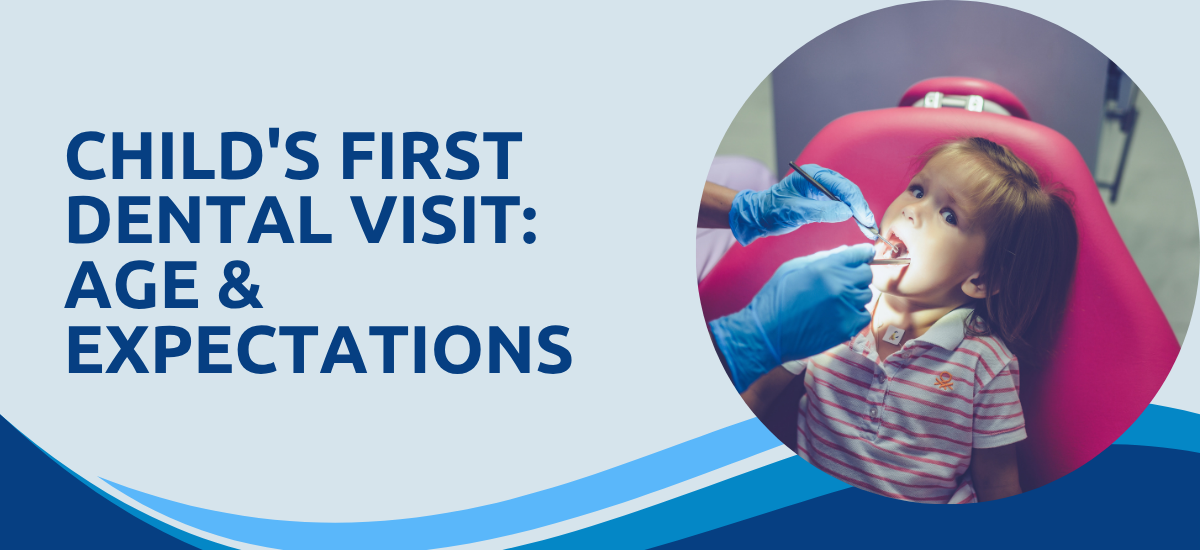
A child’s first dental visit should occur by the first birthday or within six months of the first tooth erupting, whichever comes first. The appointment is a brief, gentle, non-invasive “well-baby” checkup focused on oral development, hygiene counselling, and decay prevention rather than treatment. Core preventive advice covered in this visit includes using a rice-grain-sized amount of fluoride toothpaste once teeth appear, avoiding sugary bottles at bedtime, wiping gums after feeds, and scheduling check-ups every six months. The dentist also screens for early decay, checks bite alignment, examines the frenulum, and flags habits like prolonged thumb sucking or pacifier use that can affect jaw development.
According to Dr. M. Phani Babu, pediatric dentist in Adyar, The first visit isn’t a procedure. It’s a behavioural foundation, and getting it right at age one decides how the child reacts to dental care for the next twenty years.
Worried your child will cry through the entire appointment?
Why does the first dental visit matter so early?
Most parents wait until age three or four. By then, decay has often already started.
- Decay risk: Baby teeth enamel is thinner and softer than adult enamel, so cavities form faster and travel deeper in months, not years.
- Fluoride timing: Once the first tooth erupts, a rice-grain smear of fluoride toothpaste twice daily is the recommended amount, and the dentist demonstrates the technique parents almost always get wrong.
- Bedtime bottle damage: Milk, formula, or juice pooling around teeth overnight causes early childhood caries on the front teeth, and the dentist catches this pattern before the enamel is lost.
- Habit screening: Thumb sucking and pacifier use past age three start changing jaw shape, and early review lets parents course-correct before orthodontic intervention becomes necessary.
A first visit at twelve months costs almost nothing and prevents thousands later. That’s the math. Read more about pediatric dentistry approaches at Dent Eazee.
What actually happens during the first appointment?
It’s shorter and gentler than parents expect. No drills. No needles. Usually no tears either, if it’s done right.
- Knee-to-knee exam: The child sits on the parent’s lap facing them, then leans back into the dentist’s lap, a position that feels safe and gives full access to the mouth in under three minutes.
- Visual check: The dentist counts teeth, looks for white spots that signal early decay, checks the frenulum, and assesses the bite.
- Gentle clean: A soft toothbrush or gauze wipe to remove plaque, sometimes a fluoride varnish if the risk profile calls for it.
- Talk time: This is where parents ask everything, and they should, because the dentist will also flag mistakes the family didn’t know they were making, like dipping the pacifier in honey or letting the child fall asleep with milk in the mouth.
The whole thing wraps in fifteen to twenty minutes. For deeper care needs, explore Dent Eazee Dental Clinic.
uncrowned ones over a 10-year window. Skipping the crown isn’t saving money. It’s deferring a much bigger bill.
You can read more on what we cover in our guide to root canal aftercare and recovery.
Why Choose Dr. M. Phani Babu?
Dr. M. Phani Babu is a Gold Medallist BDS, MDS in Paedodontics and Preventive Dentistry with over 18 years of experience and 350+ full-mouth pediatric rehabilitations under general anaesthesia. He founded Dent Eazee Dental Clinic in Adyar and is recognised among Chennai’s most trusted child dentists.
Children who start care here at age one rarely need major work later. Parents leave with a plan, not a panic. That’s the whole point.
FAQ
What is the right age for a child's first dental visit?
By the first birthday or within six months of the first tooth erupting, whichever comes first.
Will my baby need x-rays at the first visit?
No, x-rays aren’t standard for infants and are only taken if a specific concern is identified.
How much fluoride toothpaste should I use for my baby?
A rice-grain-sized smear of fluoride toothpaste twice daily once the first tooth erupts.
How often should young children visit the dentist after the first visit?
Every six months for routine checks, unless the dentist recommends a tighter schedule based on cavity risk.