
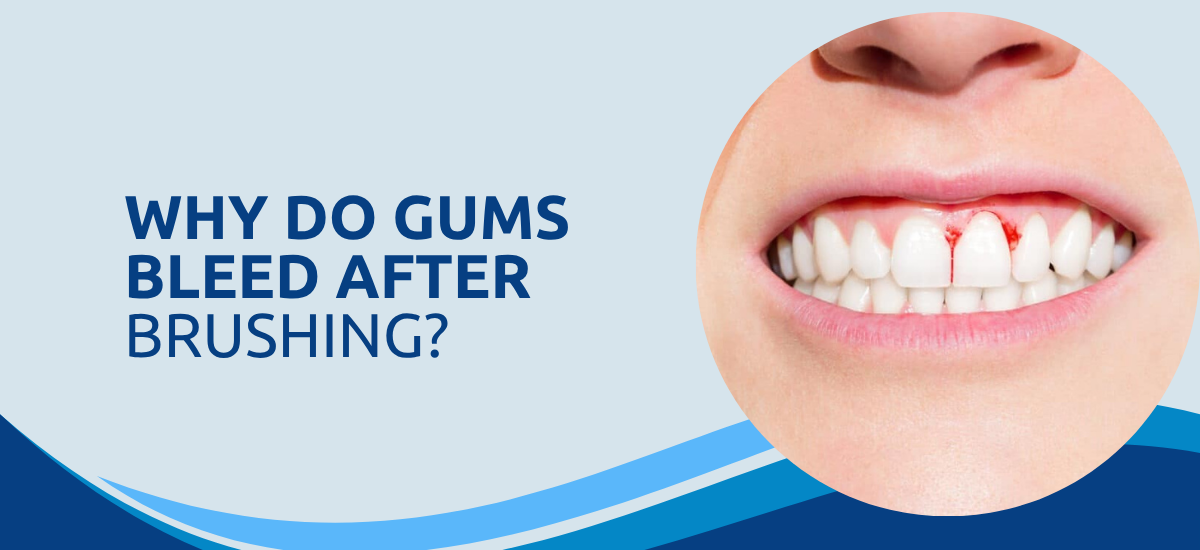
Brushing every day and still finding pink in the sink? Happens more than you’d think. The real reason isn’t usually the brushing itself. It’s plaque trapped in spots a toothbrush just can’t get to, between teeth, along the gum line, and once that sits there long enough, the tissue gets inflamed. Bleeding follows. Sometimes the brush is wrong for the mouth. Sometimes the strokes are too rough. And often, gingivitis is already sitting there quietly, waiting for a proper professional cleaning to clear it.
According to Dr. Phani Babu of Dent Eazee, a leading Dental Clinic in Adyar, most bleeding-while-brushing cases aren’t really about the brushing at all, they’re about tissue that’s already inflamed from plaque sitting in places your brush was never going to reach.
Sick of seeing pink every time you rinse?
What Actually Causes Bleeding Gums Despite Brushing?
The tissue is already inflamed, most of the time. And what got it there varies more than people expect.
Missed plaque is the big one. Toothbrushes handle the front and back of teeth well enough. The spaces between? Untouched. That’s exactly where the trouble takes hold.
Wrong technique trips up more people than they realise. Hard scrubbing feels productive but really just abrades the gums. And once the tissue is abraded, it bleeds on its own, no plaque needed.
Early gingivitis: Once inflammation sets in, gums bleed at the slightest contact. That’s the tissue telling you plaque has already done damage.
Health factors can quietly change everything. Pregnancy shifts hormones and gums respond. Diabetes affects healing. Blood thinners, statins, some birth control, all show up here.
So brushing better on its own won’t fix it. The inflammation has to be treated directly. Laser gum surgery options treat gum tissue precisely when standard cleaning isn’t enough to settle things down.
How Do You Actually Stop Gums From Bleeding?
A mix of small home fixes and one professional step usually clears the problem within weeks.
Soft-bristle brush: Firmer bristles don’t clean better. They just damage the tissue. Soft bristles reach the same spots without the harm.
Add flossing: Once daily, between every tooth. This is the bit that removes plaque a toothbrush can never touch.
Professional cleaning: A scaling appointment removes tartar no home routine can shift. This is the fix for existing gingivitis.
Warm salt rinse: Twice a day for a week. It calms inflamed tissue while your other steps do the real work.
Most cases clear within two weeks of doing all this properly. If the bleeding is localised to one spot rather than spread across the mouth, our article on swollen gum around one tooth explains when isolated gum issues need specific attention.
Why Choose Dr. Phani Babu?
Dr. Phani Babu is a BDS, MDS-qualified paediatric dentist and dental surgeon with over 18 years of experience, a Gold Medallist, and a specialist in laser gum care. He has completed more than 350 full-mouth rehabilitations and brings that same care to every gum health case, whether mild bleeding or advanced gingivitis.
Have your gums assessed with him and you get a proper cleaning, an honest read on how deep the inflammation runs, and a plan matched to your specific gum health so nothing gets missed and nothing gets overtreated. No panic diagnosis, just the right care for your gums.
FAQ
Is bleeding while brushing always serious?
No, but it does mean the gums need attention before it worsens.
Can bleeding gums heal on their own without treatment?
Sometimes, if inflammation is very mild, though most cases need a cleaning.
How often should you get a professional cleaning?
Every six months for most patients, more often if the gums bleed frequently.
Do electric toothbrushes reduce gum bleeding?
Yes, they’re gentler and often clean more effectively than a manual brush.
Refrences
- Gingival bleeding on brushing as a sentinel sign of gingival inflammation, PMC diagnostic accuracy study
- Efficacy of flossing and mouth rinsing regimens on plaque and gingivitis, PMC randomised clinical trial
Disclaimer: This content is intended for educational purposes only and should not replace a personal consultation with a qualified dental professional.