
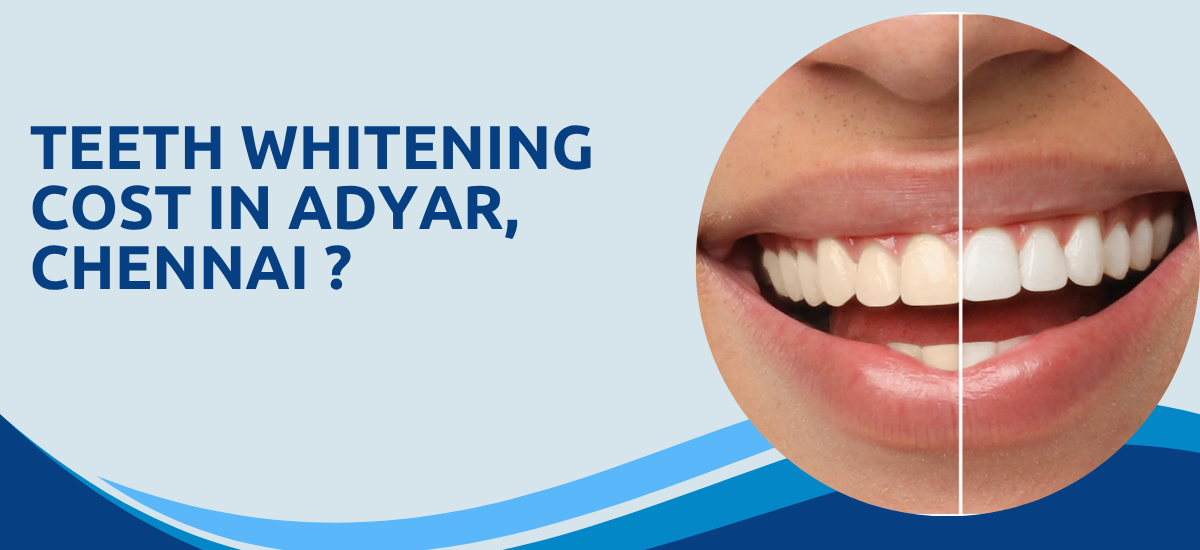
Two patients in the same month. Both wanted whiter teeth. The first had been using a whitening toothpaste for eight months and could not understand why nothing had changed. The second had bought strips online after seeing them on Instagram, used them for two weeks, and came in because her teeth were now so sensitive she could not drink anything cold.
Neither of them had been given accurate information before spending money.
I am Dr. Phani Babu, and I have been practising at Dent Eazee, a dental clinic in Adyar for 25 years. Teeth whitening is one of the most searched dental topics in India right now, and also one of the most misunderstood. Let me give you the honest version.
Why Everyone Suddenly Wants Whiter Teeth
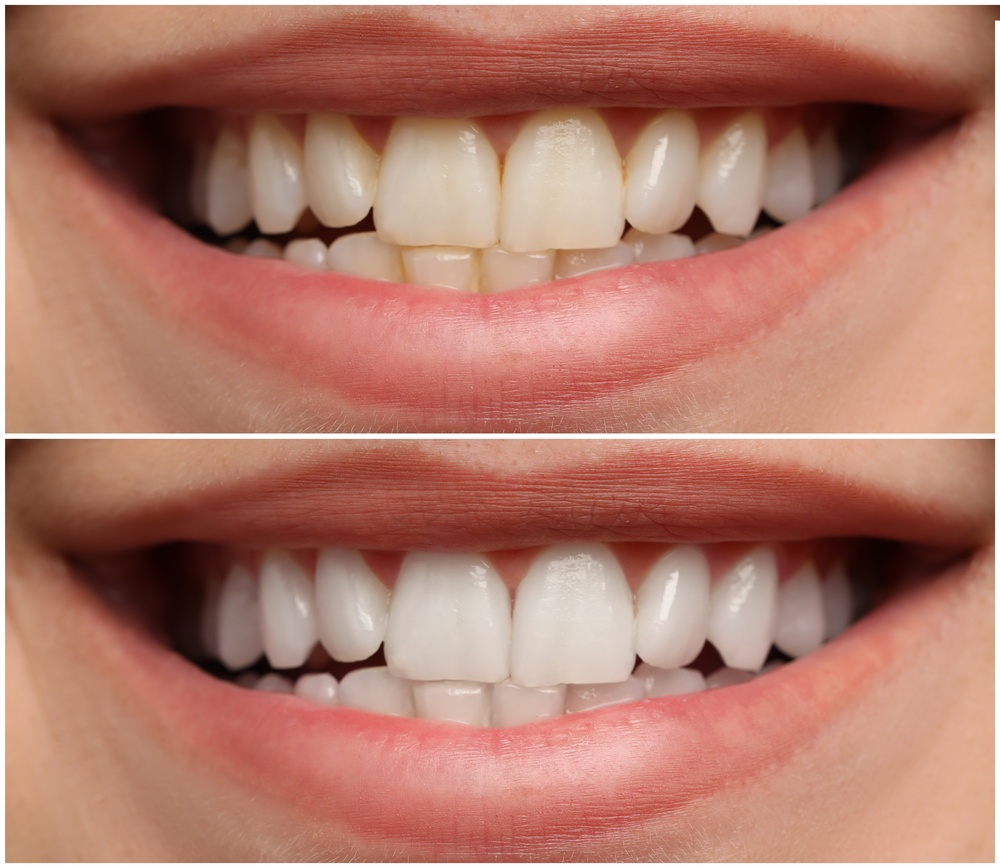
It is not vanity. Or at least, not entirely. High-definition video calls, phone cameras that are now better than most professional cameras ten years ago, and social media have made people far more aware of how their teeth look than any previous generation was. A patient told me recently that she noticed her teeth in a Zoom recording and had not realised how yellow they looked until that moment.
Teeth discolouration is also genuinely more common now. Coffee and tea consumption has increased significantly, especially among young professionals in cities like Chennai. Chai twice a day for twenty years produces real staining. So does the combination of poor brushing habits and the kind of acidic South Indian diet many people here grow up with.
The desire to whiten teeth is legitimate. The confusion around how to do it safely and effectively is the problem.
What Teeth Whitening Actually Does to Your Tooth
Most people assume whitening removes surface stains. Sometimes it does. But the more significant mechanism is different.
The outer layer of the tooth, enamel, is actually semi-translucent. The yellow colour many people see is partly the dentine underneath showing through. Whitening agents, specifically hydrogen peroxide or carbamide peroxide, penetrate the enamel and break down the chromogens, which are the coloured compounds inside and on the tooth. The result is a lighter underlying tooth colour, not just a cleaner surface.
This is why whitening toothpastes have a ceiling. They can remove surface deposits. They cannot penetrate enamel and act on the dentine layer. That requires actual peroxide at a concentration that does something. Most whitening toothpastes do not contain enough of it to make a clinical difference to actual tooth shade.
At-Home Whitening: What You Can Buy and What It Actually Does
The at-home whitening market in India has grown fast in the last three years. There are strips, gels, LED kits, charcoal powders, oil pulling solutions, and whitening toothpastes at every price point from every direction on the internet.
Let me go through the main categories honestly.
Whitening toothpastes work for surface staining only. If your discolouration is from chai, coffee, or tobacco deposits sitting on the tooth surface, a good abrasive toothpaste used consistently can help. If the discolouration is intrinsic, meaning inside the tooth, no toothpaste will touch it. They also tend to be abrasive enough that using them daily long-term can contribute to enamel wear and increased sensitivity. I usually suggest patients with active sensitivity concerns switch back to a regular fluoride toothpaste.
Whitening strips vary enormously. Products sold in India that carry regulatory approval typically have a maximum peroxide concentration that limits what they can actually do. The strips you see advertised as identical to clinic products on social media are almost never the same concentration. Some contain enough peroxide to cause real sensitivity, particularly in patients with thin enamel or existing gum recession. Others contain so little they are essentially cosmetic products masquerading as dental treatment.
Charcoal powders have become popular. The evidence for them is thin. Activated charcoal is abrasive enough to remove surface staining temporarily but there is no meaningful clinical data showing it whitens teeth beyond that. And the abrasivity is a genuine concern with long-term use. I have seen patients with noticeably worn enamel from charcoal powder use over one to two years.
LED whitening kits bought online. The LED light alone does nothing to whiten teeth. It accelerates the action of the whitening gel applied alongside it. If the gel concentration is too low to work, the light does not change that. Most consumer-grade kits fall into this category.
Not sure which whitening option is right for your teeth? A 15-minute consultation at Dent Eazee, Adyar tells you exactly what is causing the discolouration and what will actually fix it.
Professional Teeth Whitening at a Clinic: What Actually Happens
Professional teeth whitening in Adyar at Dent Eazee uses a higher concentration of hydrogen peroxide than anything available over the counter. The procedure is controlled. Gum tissue is protected before application. The concentration, contact time, and number of applications within a single session are all managed based on what your teeth actually need.
In-clinic whitening typically produces results in one to two hours. The shade improvement is visible immediately. How much the shade changes depends on the original tooth colour, the type of staining, and whether the discolouration is extrinsic or intrinsic.
Take-home whitening trays are a professional alternative that work over two to three weeks. Custom trays are made from an impression of your teeth, which is what makes them effective. The gel stays in contact with the tooth surface rather than sliding around the way strip-based products do. The concentration is lower than in-clinic gel but higher than consumer products, and the extended contact time compensates for that.
One thing I always check before any whitening treatment: the condition of the teeth and gums. Active gum disease, untreated cavities, or significant recession needs to be addressed before whitening. Applying peroxide over compromised gum tissue or open cavities causes pain and can worsen the underlying problem. This is something a clinic manages routinely. It is not something a strip or kit has any way of accounting for.
At-Home vs Clinic: The Honest Side-by-Side
The question I get most often is whether the cost difference is worth it. The honest answer depends on what you are trying to achieve and the current condition of your teeth.
If your teeth are structurally healthy and you have mild surface staining from tea or coffee, a properly formulated at-home product used correctly can produce a noticeable improvement. Not a dramatic change, but a real one.
If your staining is deeper, if you have tried at-home products without result, if you want a meaningful shade change rather than a subtle one, or if you have any history of sensitivity, professional whitening is the right starting point. Spending money repeatedly on products that do not work for your specific situation costs more in the long run than a single professional treatment that does.
One more thing worth knowing: whitening does not change the colour of dental crowns, fillings, or veneers. If you have restorations on front teeth, whitening the natural teeth around them can create a mismatch. This is something I always discuss with patients before starting any whitening treatment.
Already tried at-home whitening without the results you wanted? Professional whitening at Dent Eazee is done in a single session with results you can see the same day.
What Affects the Cost of Teeth Whitening in Adyar

Professional whitening cost varies depending on which method is used, in-clinic or take-home trays, the condition of the teeth before treatment, and whether any preparatory work like a professional cleaning is needed first.
A professional clean before whitening is not an upsell. Whitening gel applied over a surface with tartar buildup does not produce even results. The cleaning step ensures the gel contacts the actual tooth surface consistently. Most patients who have not had a professional cleaning in the previous six months need this before whitening is worthwhile.
If your discolouration has an internal cause, such as a tooth that has had root canal treatment and has darkened from the inside, standard external whitening will not resolve it. Internal bleaching or a crown may be the appropriate solution, depending on the extent of discolouration.
I give every patient an accurate estimate after a clinical assessment, not a standard package figure. The right treatment for a 28-year-old with mild tea staining is not the same as the right treatment for a 50-year-old with years of cumulative intrinsic discolouration. Treating them identically is not good clinical practice.
Who Should Not Get Teeth Whitening
Whitening is not suitable for everyone. This is not a sales line. There are genuine contraindications that a clinic will identify and an online kit has no way of knowing about.
- Active gum disease: whitening gel reaching inflamed or infected gum tissue causes significant pain and delays healing.
- Untreated cavities: peroxide entering an open cavity is painful and can worsen the decay situation.
- Significant enamel erosion: thin enamel has less structure to absorb the whitening process and sensitivity becomes severe.
- Pregnant or breastfeeding patients: whitening is deferred until after this period as a precautionary standard.
- Patients under 16: enamel is still maturing and whitening is not recommended until adulthood.
- Patients with extensive front tooth restorations: as discussed, cosmetic dentistry planning needs to account for whether whitening fits into a broader smile design before starting.
How to Make Your Results Last Longer
Whitening results are not permanent. The teeth are not sealed. They continue to absorb pigment from food, drink, and habits. How long results last depends on what you do after treatment.
- Avoid tea, coffee, red wine, and dark-coloured sauces for the first 48 to 72 hours after treatment. The enamel is more porous immediately after whitening and staining happens faster in this window.
- Use a straw for cold drinks that stain. Reduces direct contact with tooth surface.
- Brush within 30 minutes of consuming anything that stains. Not immediately, since acid-softened enamel should not be brushed straight away, but reasonably soon.
- Come back for a professional clean every six months. Regular scaling removes the superficial staining that accumulates before it becomes part of the tooth surface.
- Touch-up treatments every 12 to 18 months extend the results significantly for patients who drink tea and coffee regularly.
Patients who maintain their teeth properly after whitening routinely get two or more years from a single professional treatment. Patients who go back to the exact same habits without any maintenance see the colour return in three to four months.
Frequently Asked Questions
Does teeth whitening damage enamel?
Professional whitening done correctly does not damage enamel; overuse of high-concentration products without supervision is what causes problems.
How many shades whiter can I expect from professional whitening?
Most patients achieve two to six shades lighter depending on the original tooth colour and the type of staining present.
How long does professional teeth whitening last?
With proper maintenance, results typically last one to two years before a touch-up is needed.
Can I whiten my teeth if I have crowns or fillings?
Whitening agents do not change the colour of restorations, so existing crowns and fillings will not match if surrounding teeth are whitened.
Why are my teeth sensitive after whitening?
Temporary sensitivity after whitening is normal and usually resolves within 24 to 48 hours; persistent sensitivity should be reviewed by a dentist.
Is at-home whitening safe?
Products from reputable brands used as directed are generally safe; unregulated products with unknown peroxide concentrations are the risk.
At what age can I start teeth whitening?
Whitening is generally recommended from age 16 onwards once enamel maturation is complete.
Whether you want to understand your whitening options or are ready to book a session, Dent Eazee in Adyar is open seven days a week. Come in, get a proper assessment, and leave with a clear plan.