
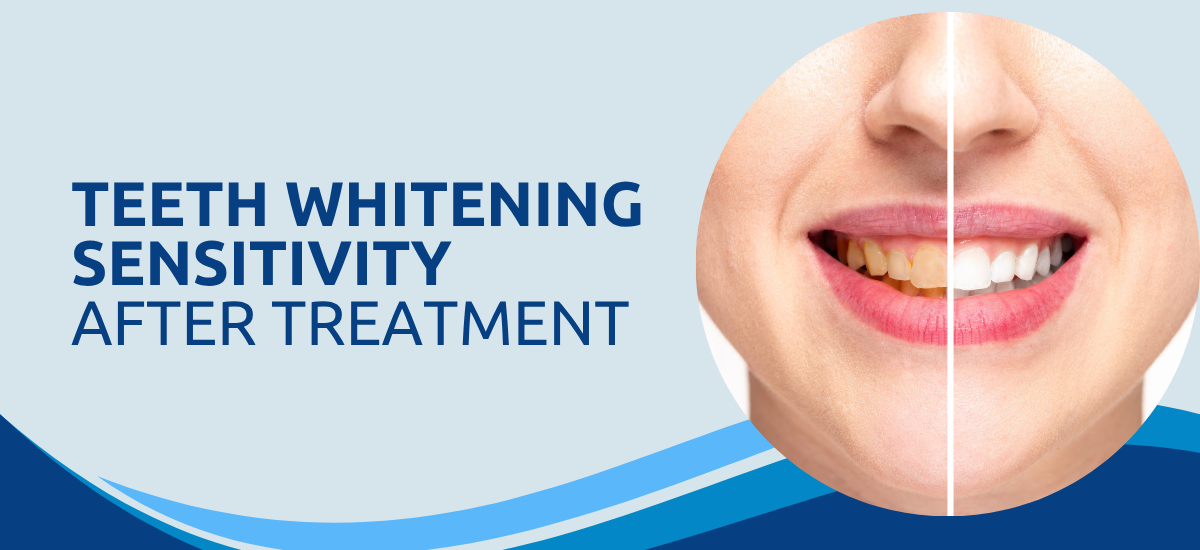
Teeth whitening sensitivity is temporary. It usually settles within 24 to 48 hours. What’s happening is that the whitening gel opens up tiny channels in the enamel, called dentinal tubules, and for a short while the nerve inside the tooth has less insulation than it’s used to. So you get those quick, sharp twinges with cold or hot drinks. They fade once the tubules reseal and the enamel takes its moisture back. How strong it feels depends on your enamel thickness, the gel concentration, and whether your teeth were already sensitive going in.
According to Dr. Phani Babu of Dent Eazee, a leading Dental Clinic in Adyar, what patients feel afterwards is the nerve reacting to a brief loss of insulation, not damage to the tooth, and it eases off once the enamel recovers.
Worried the sensitivity won’t go away after your session?
What Causes Sensitivity After Teeth Whitening?
It comes down to how the bleaching agent meets the enamel and the nerve sitting under it.
Open tubules: The peroxide briefly opens those microscopic channels, and that’s the bit that lets cold or hot reach the nerve quicker than normal.
Gel strength: Stronger gels usually mean more noticeable sensitivity. That’s exactly why in-clinic concentrations get dosed and timed with care.
Existing wear: Sensitivity often comes down to thinner enamel or receding gums less protection between the surface and the nerve. Since neither is something you can spot on your own, a quick dental check is the surest way to know.
Dehydration: Whitening dries the tooth out for a bit. And a dried-out tooth is just more reactive until its moisture comes back.
So it isn’t one single culprit. It’s chemistry plus whatever shape your teeth were in beforehand. For the deeper enamel concerns, our cosmetic dentistry work handles tooth health and appearance together.
How Long Does Whitening Sensitivity Actually Last?
For most people it’s short and fairly predictable. A few things can stretch it out though.
Typical window: Usually 24 to 48 hours. Plenty of patients notice it backing off by the next morning.
Mild cases: Sometimes it’s gone in a few hours. A faint twinge now and then. Nothing that derails your day.
Longer cases: But if it’s still hanging around past three or four days, ring us. That can point to something underneath rather than the whitening on its own.
Repeat sessions: Whiten too often without spacing it out and you can drag the sensitivity along with you. Give your teeth a breather between rounds.
Relief usually arrives without much effort. Desensitising toothpaste and avoiding very cold drinks for a day or two will speed recovery. For discomfort that persists or appears unrelated to recent whitening, our article on why a tooth hurts when drinking something cold explains when cold sensitivity points to an underlying dental issue.
Why Choose Dr. Phani Babu?
Dr. Phani Babu is a BDS, MDS-qualified paediatric dentist and dental surgeon with over 18 years of experience. A Gold Medallist and a tooth-whitening specialist, he has completed more than 350 full-mouth rehabilitations and brings that same precision to every whitening treatment.
Under his care, whitening starts with a gel matched to your enamel and a clear plan for managing any short-term sensitivity, so the results last and discomfort stays. No guesswork, no over-treatment.
FAQ
Is teeth whitening sensitivity a sign of damage?
No, it means the nerve is briefly reacting to the bleaching agent.
Can I eat normally after whitening?
Yes, though avoid very cold or hot items for a day.
Does sensitivity get worse with repeat whitening?
It can if sessions are too frequent without proper spacing between them.
Will desensitising toothpaste help after treatment?
Yes, it helps reseal tubules and reduces sensitivity within a few days.