
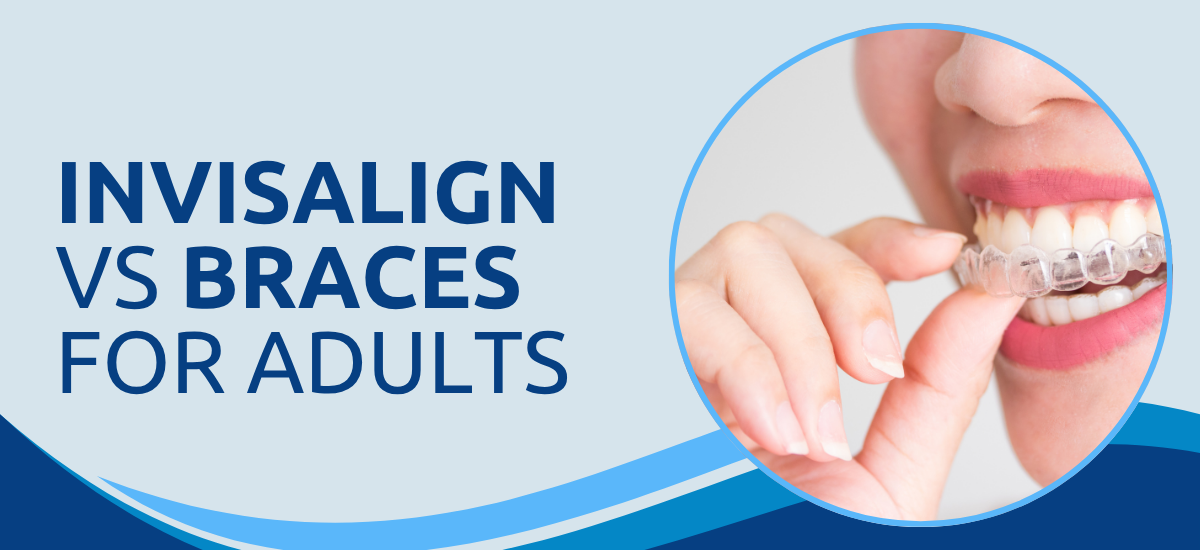
Neither one is better for everyone; it depends on how much movement your teeth actually need. Invisalign uses clear removable trays and works well for mild to moderate crowding or spacing, staying nearly invisible the whole time. Braces use fixed metal or ceramic brackets and handle bigger, more stubborn corrections that aligners can’t reach. Adults usually weigh three things: how complex the case is, how visible the treatment feels, and how much daily discipline they’ve got. Both straighten teeth. They just take different roads to get there.
According to Dr. Phani Babu of Dent Eazee, a leadingDental Clinic in Adyar, “the right choice isn’t about which system is trendier, it’s about matching the tool to the bite, because a case that fights aligners will settle beautifully with braces and the other way round too.”
Wondering which one actually fits your kind of misalignment?
Which Option Works Better for a Busy Adult Lifestyle?
Daily habits and appearance often matter as much as the clinical result when a grown adult picks between the two.
Discreet: Clear aligners sit almost unseen on the teeth, so nobody in a meeting or across a dinner table really clocks that you’re straightening anything.
Removable: You take Invisalign out to eat and brush, which keeps meals normal and cleaning easy, though it only works if you wear them close to twenty-two hours a day.
Low upkeep: Braces stay put and need zero willpower, but they trap food and demand careful brushing around every bracket and wire.
Comfort: And smooth aligner edges tend to bother the cheeks far less than metal brackets, which can rub until you get used to them.
So the honest answer often comes down to discipline. If you’ll forget to wear trays, fixed teeth straightening quietly does the work for you.
Which One Gives Faster and Stronger Results?
Speed and precision swing on the difficulty of your case, not on marketing claims from either camp.
Complex cases: Braces win when teeth need big rotations, height changes, or gaps closed hard, because fixed brackets apply force aligners simply can’t match.
Mild cases: For light crowding or small spacing, Invisalign can finish in roughly six to eighteen months with predictable, planned movements.
Compliance: But aligners only move teeth while they’re in your mouth, so skipping wear time stretches the timeline more than most people expect.
Precision: Braces let the orthodontist fine-tune each tooth individually, which is why tricky bites often end up with wires.
Because the fastest route is the one your teeth cooperate with. Still unsure about the process? Read our guide on Loose Gums Around Teeth: Causes, Symptoms, and Ways to Protect Your Oral Health.
Why Choose Dr. Phani Babu?
Dr. Phani Babu has years of hands-on experience planning both aligner and fixed-brace cases, and he starts every consultation by mapping exactly what your bite needs rather than what’s popular. Adults walk in expecting a sales pitch and leave with a straight clinical breakdown instead.
His planning is direct and honest. You’ll hear whether Invisalign will genuinely work for you or whether braces will get you there faster, with no upselling in between. Clear teeth, clearer decisions.
FAQ
Can adults get Invisalign at any age?
Yes, there’s no upper age limit as long as your gums and bone are healthy.
Do braces work faster than Invisalign?
Often yes, especially for complex movements that aligners struggle to achieve.
Are clear aligners as effective as metal braces?
For mild to moderate cases, yes; for complex bites, braces usually work better.
Does either option damage adult teeth?
No, both are safe when fitted and monitored by a trained orthodontist.
Refrences
- National Library of Medicine, Clear Aligners Versus Fixed Appliances:
- World Health Organization, Oral Health:
Disclaimer: This content is intended for educational purposes only and should not replace a personal consultation with a qualified dental professional.