
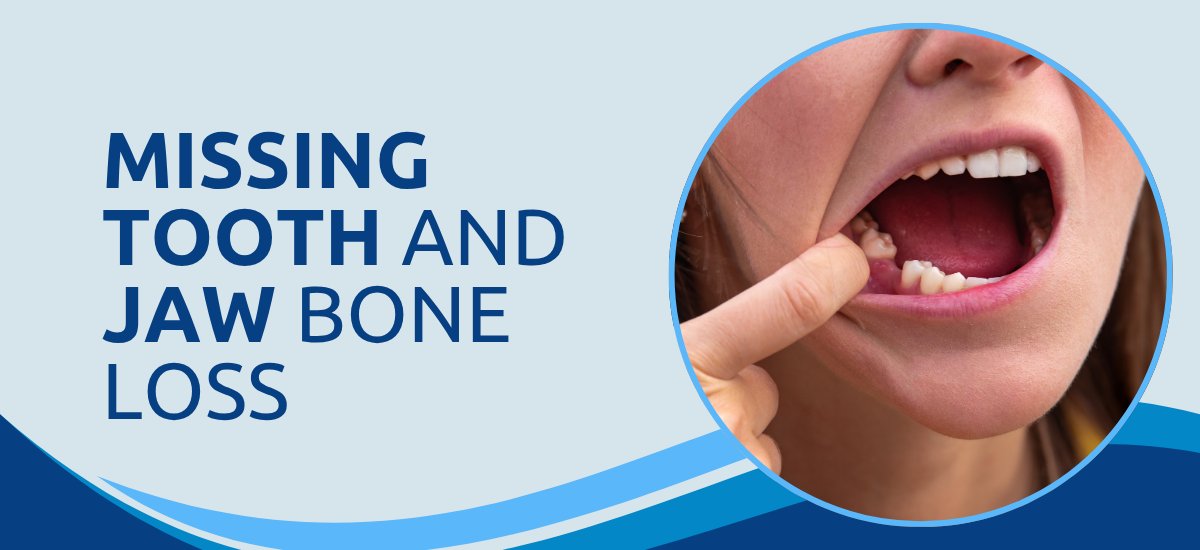
A missing tooth causes bone loss in the jaw. The jawbone stays dense only when it gets pressure from chewing, and that pressure travels down through the tooth root. Once the tooth’s gone, the bone below it stops getting stimulated and starts shrinking. This is called resorption. It eats away at both the width and the height of the ridge, and the teeth beside the gap slowly drift out of place.
According to Dr. Phani Babu of Dent Eazee, a leading Dental Clinic in Adyar, “a tooth root does more than hold a tooth, it constantly signals the jaw to stay alive, and the day that signal stops the bone begins to fade whether you feel it or not.”
Noticed your jaw looking a little sunken near a gap?
How Does Losing a Tooth Lead to Jaw Bone Loss?
The moment a root leaves the bone, the natural rebuilding cycle that keeps the ridge firm quietly shuts down.
Root gone: Without a root pushing into the bone every time you bite, the jaw stops getting the message to renew itself and slowly caves inward.
Fast start: Most of the shrinkage hits in the first year, and up to a quarter of the bone width can vanish before you’d ever notice.
Bite shifts: Neighbouring teeth tilt toward the empty space while the opposing tooth drifts down, throwing your whole bite off balance.
Face changes: And over time the lower face starts looking shorter or hollow, because there’s simply less bone left holding the skin up.
So the longer that gap sits open, the trickier later treatment becomes. Filling it early with the right tooth replacement keeps the ridge from collapsing.
Can You Prevent or Reverse Jawbone Loss?
Bone loss isn’t always permanent, and a few options can either halt it or rebuild what’s already thinned out.
Implants: A titanium implant fuses straight into the bone and acts like a real root, so the jaw keeps getting the pressure it needs to hold firm.
Grafting: Lost too much already? A bone graft rebuilds the ridge and creates enough foundation to anchor a replacement down the line.
Timing: But moving quickly matters most, because a fresh extraction site holds its bone far better than one left sitting empty for years.
Checkups: Routine scans spot thinning bone early, often well before you’d feel a single thing changing.
Because bone won’t grow back on its own once it’s truly gone. Curious how your gums tie into all this? Read our guide on why gums bleed after brushing.
Why Choose Dr. Phani Babu?
Dr. Phani Babu brings years of focused experience in implant dentistry and full-mouth rehabilitation, and he plans every case around saving bone before it’s lost. Patients come in worried about a single gap and leave understanding exactly what’s happening under the surface.
His approach is blunt and practical. You’ll know whether you need an implant now, a graft first, or simply closer monitoring, and there’s no guesswork left hanging. Real answers, real timelines.
FAQ
Does bone loss start immediately after a tooth is removed?
Yes, resorption begins within the first few weeks of losing a tooth.
Can dentures stop jawbone loss?
No, regular dentures rest on the gum and don’t stimulate the bone underneath.
Are dental implants able to stop bone loss?
Yes, implants transfer chewing pressure into the bone and keep it stimulated.
Is jawbone loss painful?
No, it’s usually painless, which is why it often goes unnoticed for long.
Refrences
- National Library of Medicine / PubMed Bone Loss and Teeth (Bodic et al., Joint Bone Spine, 2005)
- World Health Organization, Oral Health:
Disclaimer: This content is intended for educational purposes only and should not replace a personal consultation with a qualified dental professional.