
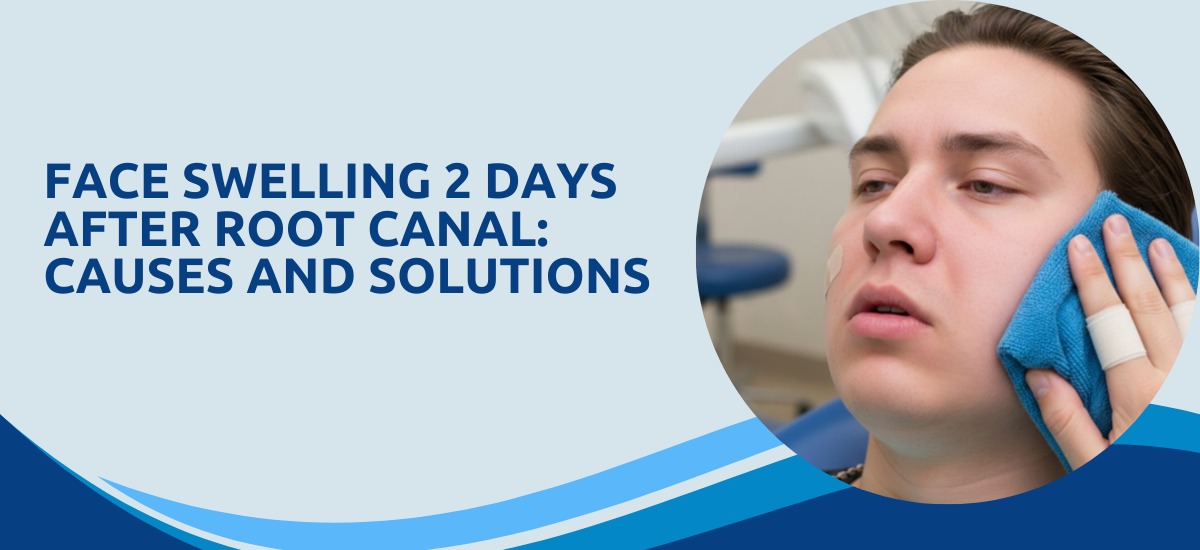
Most of the time, it has not. But there are situations where swelling after a root canal does need attention. This guide will help you figure out which category you fall into — and what you can do about it right now.
Is Face Swelling After a Root Canal Normal?
That inflammation is what you see as swelling on your face. For most people, day two is actually when swelling tends to look the worst — even if the procedure went perfectly well. The peak of swelling around the 48-hour mark is not a red flag. It is just the body catching up.
Dr. Phani at Denteazee Dental Clinic, a well-known dental clinic in Adyar, always makes it a point to prepare patients beforehand — because knowing what to expect makes recovery so much less stressful.
Why Does Swelling Occur After a Root Canal Treatment?
- Natural healing response: When tissue around the tooth gets disturbed, your body floods the area with blood and immune cells. That process causes fluid buildup — which is visible swelling. It is completely expected.
- Existing infection before the procedure: If there was already a significant abscess or spread of infection before your appointment, bacteria may have already settled into the surrounding tissue. In such cases, swelling can be more intense and last a little longer.
- Instrumentation near the root tip: The fine files used to clean inside the canals sometimes reach close to — or just beyond — the tip of the root. This can irritate the tissue sitting just outside the tooth, triggering what dentists call a periapical flare-up.
- Trauma to surrounding structures: Even precise drilling and canal shaping puts pressure on nearby bone and the periodontal ligament. Some degree of post-procedural soreness and swelling from this is unavoidable.

- Anaesthesia or medication reactions: Mild swelling can also appear at the injection site or as a side effect of prescribed antibiotics and painkillers — especially in the first couple of days.
How Long Should You Expect the Swelling to Last?
- Day 1 to 2: Swelling builds up and typically peaks. There may be throbbing pain, sensitivity to touch, and some visible puffiness along the jaw or cheek.
- Day 3 to 4: This is when things start turning around. The swelling should begin reducing noticeably, especially if you have been icing the area and taking your medications on schedule.
- Day 5 to 7: Most patients are back to normal by this point — or very close to it. The tooth area may still feel slightly tender, but visible swelling should largely be gone.
If your swelling is still the same size — or getting bigger — after day 4 or 5, that is when you should reach out to your dentist. It could mean there is a secondary infection or that the original infection was not fully addressed.
Steps to Reduce Face Swelling After a Root Canal
- Ice it early: In the first 24 hours, apply a cold pack wrapped in a cloth to the swollen cheek for 10 to 15 minutes at a stretch. This constricts blood vessels and slows down fluid accumulation.
- Keep your head elevated: Try not to lie completely flat — especially at night. Sleeping with an extra pillow under your head stops fluid from pooling in your face while you sleep.
- Take your medications: If your dentist prescribed anti-inflammatories or antibiotics, take them exactly as directed. Skipping doses — even when you feel better — can delay healing or allow infection to rebound.
- Stick to soft foods: Hard or chewy foods put unnecessary pressure on the treated tooth and surrounding tissue. Soups, curd rice, mashed vegetables, and smoothies are your best friends for the first few days.
- Take your medications: Rinse with warm salt water: After the first 24 hours, gentle warm salt water rinses (not swishing vigorously) help clean the area and reduce bacterial activity around the tooth.
- Avoid heat and smoking: Hot food, hot beverages, and smoking all cause blood vessels to dilate, which worsens swelling. Stay away from these for at least 3 to 4 days post-procedure.
- Rest properly: Physical exertion and stress both increase inflammation. Give your body the downtime it needs — your recovery will be quicker for it.
When Should You Seek Medical Attention for Swelling?
- Swelling that spreads toward the neck, floor of the mouth, or near the eye — this can indicate a serious spreading infection
- Fever above 38 degrees Celsius
- Difficulty swallowing, opening your mouth, or breathing
- Swelling that keeps increasing after the third or fourth day instead of reducing
- Pus, discharge, or a bad taste coming from near the treated tooth
- Severe pain that is not being managed even with prescribed medication
Any one of these is reason enough to call your dentist the same day. A spreading dental infection can become dangerous quickly — it is not something to monitor at home and hope for the best.
If you had your treatment done at our dental clinic in Adyar, Dr. Phani and the team are always reachable for post-treatment emergencies. Same-day consultations are available for patients showing these warning signs.
Preventing Swelling After a Root Canal: Tips for Post-Treatment Care
-
Follow instructions carefully: In the first 24 hours, apply a cold pack wrapped in a cloth to the swollen cheek for 10 to 15 minutes at a stretch. This constricts blood vessels and slows down fluid accumulation.
-
Do not skip your follow-up: Try not to lie completely flat — especially at night. Sleeping with an extra pillow under your head stops fluid from pooling in your face while you sleep.
-
Avoid prodding the area: If your dentist prescribed anti-inflammatories or antibiotics, take them exactly as directed. Skipping doses — even when you feel better — can delay healing or allow infection to rebound.
-
Get treatment early: Hard or chewy foods put unnecessary pressure on the treated tooth and surrounding tissue. Soups, curd rice, mashed vegetables, and smoothies are your best friends for the first few days.
-
Good oral hygiene, gently: After the first 24 hours, gentle warm salt water rinses (not swishing vigorously) help clean the area and reduce bacterial activity around the tooth.
FAQ
1. Is it normal to have a swollen face 2 days after a root canal?
2. Should I use heat or cold for swelling after a root canal?
3. Can swelling after a root canal mean the procedure failed?
4. How long does swelling usually last after a root canal?
5. When should I call my dentist about swelling after a root canal?
6. How is Denteaze Dental Clinic different from other dental clinics in Adyar?
At Denteazee Dental Clinic, Dr. Phani takes a thorough approach to every procedure — from pre-treatment infection assessment to detailed post-treatment guidance. As a trusted dental clinic in Adyar, the focus is always on making sure patients recover well, not just that the procedure goes smoothly. Post-treatment support and same-day consultations for concerns are part of the care here.